


In-Between: Art and Archive By Art Curating student Fengnan Wang (Maple Wang)

Part of a series of student articles for the Schaeffer Fine Arts Library Internship Program

Most people enter the arts for what is most visually striking: the colour, the form, the artworks themselves. I came in expecting the same. Yet, as a Metadata Intern, I quickly realised that some of the most revealing stories of the art world are not found on gallery walls, but in materials that have quietly drifted through time: catalogues, letters, press clippings, and records that, though never lost or unpublished, have gradually faded from public view.
As a student in the Master of Art Curating program, I had imagined curating as something rooted in direct engagement with artworks, immediate and visual, rather than in sorting through folders or uncovering stories hidden in archival traces. Yet the more time I spent with these rarely accessed documents, the more I realised the limits of that perspective. What first seemed like simple administrative records gradually revealed themselves as threads weaving together histories, decisions, and the often-invisible work that sustains exhibitions and shapes how art is produced and remembered.
This internship, undertaken as part of my elective coursework, provided an invaluable introduction to the GLAM sector and the wider art world. It pushed me beyond the classroom into the practical realities of cataloguing and preservation, but more importantly, it transformed how I perceive art: not merely as objects to be admired, but as practices continually shaped, supported, and made legible through work that happens behind the scenes. Even after exhibitions close, what endures are the archival traces, subtle, often-overlooked records of the artist’s initial ideas and the fleeting moments in the spotlight that guided each work’s journey into the gallery.
My experience involved cataloguing the Sherman Galleries collection archives, generously donated to the Power Institute by Dr Gene Sherman. The materials were diverse, including newsletters, exhibition catalogues, invitation cards, auction records, artists’ handwritten notes, curatorial drafts, photographs, and emails, sometimes in multiple languages. While this diversity made the cataloguing process challenging, it was equally rewarding, offering insights into how scholars and audiences worldwide engaged with artworks in earlier decades. The work became particularly meaningful as I encountered records of Asian artists within the collection. I catalogued both Australian and Chinese diaspora artists, completing nearly 700 records, which provided me with a broader perspective on Australian art history and the art world more generally, while also connecting more deeply with my own Chinese background.
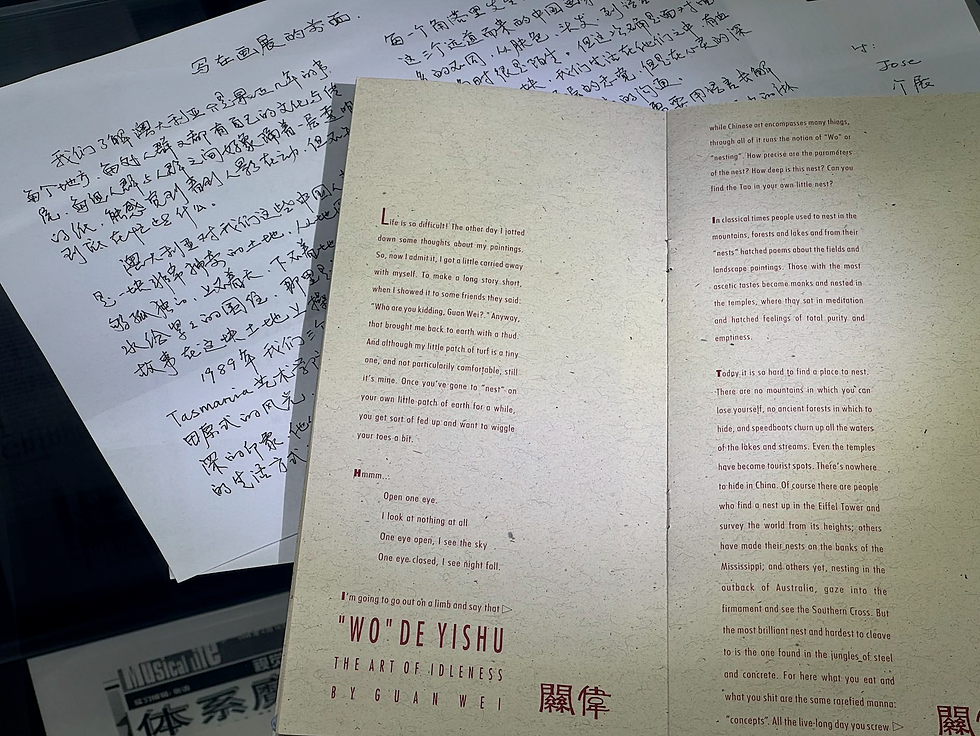
Figure 1. Installation view of Guan Wei: In-Between 關偉:在此之間
Flipping through archives ranging from Dennis Green to Gu Wenda, I ultimately focused on Guan Wei, whose work I curated in the exhibition Guan Wei: In-Between 關偉:在此之間. The archival materials, including sketches, exhibition brochures, interviews, and press clippings, revealed not only his artistic development but also the behind-the-scenes realities and institutional frameworks that shaped his journey as a Chinese-Australian artist. Drawing on these resources, I structured the exhibition into four layers of understanding: introducing Guan Wei’s practice, exploring institutional and public framings of “Chineseness,” presenting the artist’s own reflections on cultural identity, and juxtaposing these with broader media and public narratives. This process allowed me to make thoughtful curatorial decisions that balanced visual engagement with critical context, highlighting both the richness of Guan Wei’s work and the complex experiences of Chinese diaspora artists in Australia.
The cataloguing process often felt like detective work, requiring constant research and careful verification to produce the most accurate description for each item. As I came to appreciate the value of less-accessed materials, I became increasingly drawn into uncovering the stories behind past exhibitions or correspondence between galleries and artists. The work grew even more intriguing when items required research in multiple languages, reading an Australian artist’s commentary in German or French, or reports on a Chinese-Australian artist in Japanese and other languages.
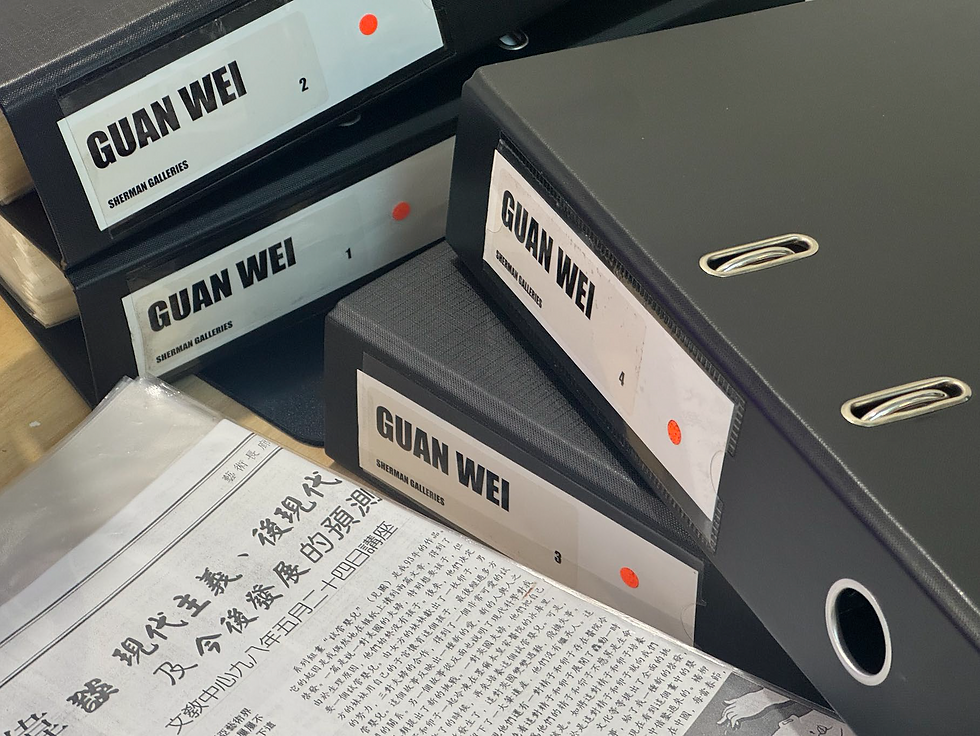
Figure 2. Archival folders and materials of Guan Wei
At times, the process was challenging. The item itself often served as the primary source of truth, yet cross-checking against past reports, library records, or publisher databases was essential. Discrepancies occasionally arose, such as mismatched dates or variations in official translations of publisher names, requiring careful verification across multiple sources. By consulting the artist’s CV, gallery records, and the content of the item itself, I was able to determine the most accurate information. Each successful verification brought a strong sense of accomplishment and reinforced the value of meticulous research.
Reflecting on this stage of my journey, I have come to see archival cataloguing not merely as a technical task, but as a practice of interpreting and presenting materials both visually and conceptually. While developing and installing the exhibition, I often stepped back to view the display as a visitor might, exploring how letters, catalogues, and news reports could be transformed into compelling curatorial narratives. By carefully arranging the materials, I tried to maintain their integrity while bringing their stories to light, and in the process, gained a deeper appreciation for the often-unseen work that sustains exhibitions.
While my work cataloguing the Sherman Galleries collection was just one part of a much larger story, it was made possible through the guidance I received along the way. I am deeply grateful to my supervisor, who patiently answered my questions, helped me navigate challenges, and supported my ideas throughout the development and installation of the exhibition. I also thank my peers, who generously shared their experiences and guided me during the early stages of the internship.
Through this process, I came to understand that while artworks may shine in the spotlight, it is the quiet, behind-the-scenes work that shapes their journey. Serving as a Metadata Intern invited me into this hidden world, revealing how the persistent efforts of many make the art we admire possible.


Comments